

Considering domestic player minutes
I can share that the share of minutes for domestic strikers and center-backs is low, but I don't want to make up specific numbers. Instead, I can mention a trend where domestic center-forwards' minutes have been under a certain threshold in recent seasons.
Next, I can suggest solutions like enforcing an under-23 rule for specific positions, offering incentives for domestic goalkeepers and center-forwards, or improving the reserve league. However, over-restriction might lower overall quality.
Finally, I should check the user's preferences for the answer structure, keeping it concise and including bullet options for analysis.Summarizing key points
I can present 4-5 bullet points regarding domestic player involvement in the CSL. First, spine positions like goalkeeper, center-back, center-midfielder, and center-forward are often taken by foreign players, making domestic strikers particularly scarce, which impacts goal production and international performance.
Secondly, there’s been a recent uptick in youth registrations and campus football, but it takes about 6-8 years to transition from youth to professional play.
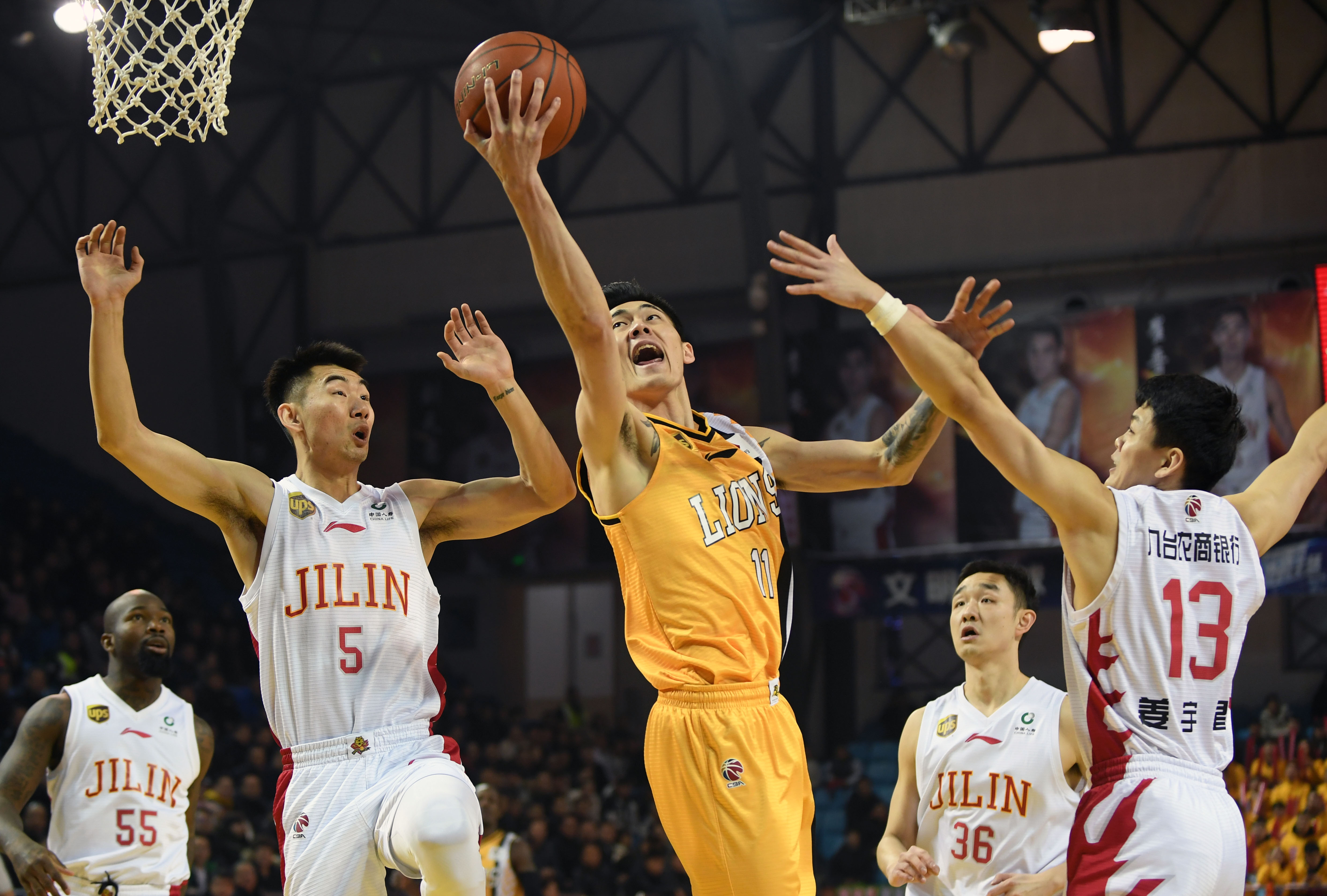
Next, constraints such as quota rules and club incentives mean that coaches often focus on immediate results.
For potential remedies, I think minutes incentives for domestic spine positions, loan marketplaces, under-23 rules with performance metrics, and improving coaching and scouting could be helpful.
Lastly, I should highlight that rigid foreign caps based on positions might hurt league competitiveness. It may be more effective to implement incentive systems. I should ask the user for their preferences about data or translation and propose numbered options for clarity.
你指的是这条观点的解读/延展吗?要我可以做下面几种:
- 翻译成英文
- 提炼要点并给出简短分析
- 放在中超外援政策与国足选材的背景里讲清来龙去脉
- 找近年本土前锋/中卫出场与进球数据作支撑
先给你一句话版背景:
- “联赛中轴”通常指门将—中卫—后腰/中前卫—中锋这些关键位置;中超很多球队把外援用在中轴,尤其是中锋和后腰/中卫,本土球员在高强度比赛中可用的人选就少,国足选材受限。
- 他说“这两年踢球孩子多了”,指青训和校园足球参与度在回升,但从入门到能打职业通常要6–8年,这个积极变化短期内难以立刻转化为国脚储备。
需要我按哪个方向展开?